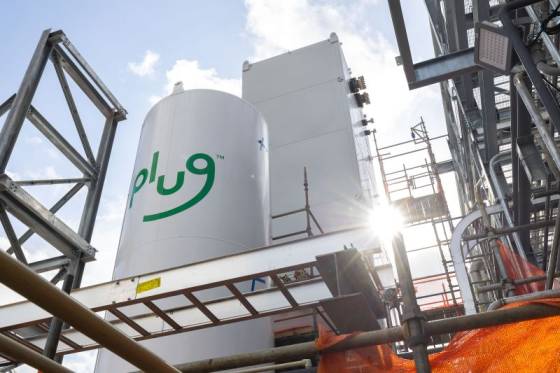
Hydrogen is becoming the world's next industrial feedstock.
Hydrogen has become a strategic input for refining, chemicals, manufacturing, transportation, and energy. Plug helps organizations produce it reliably, efficiently, and at scale through proven PEM technology, operational expertise, and one of the industry’s most integrated hydrogen platforms.
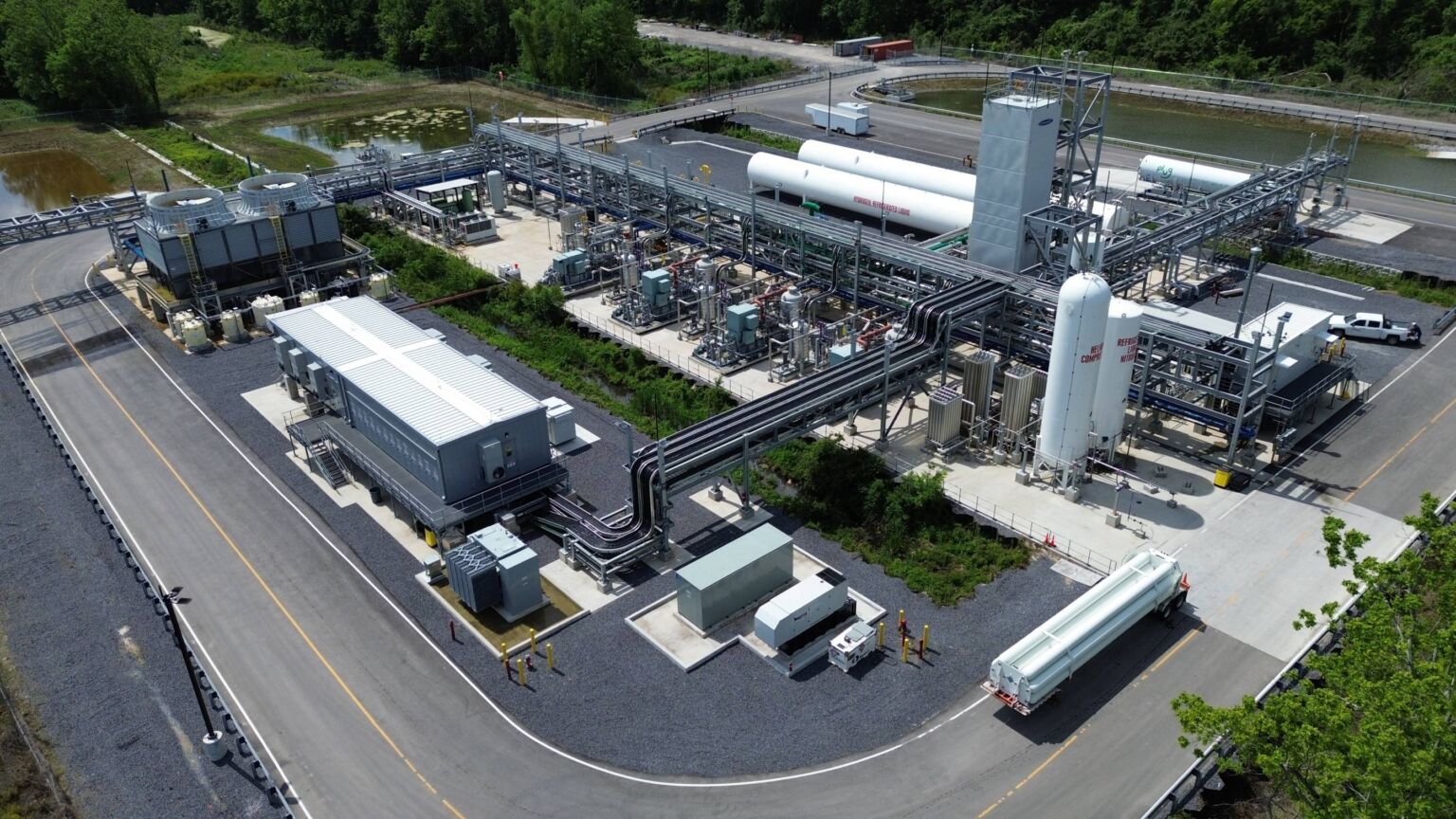
Hydrogen has powered industry for decades. Now it is reshaping it.
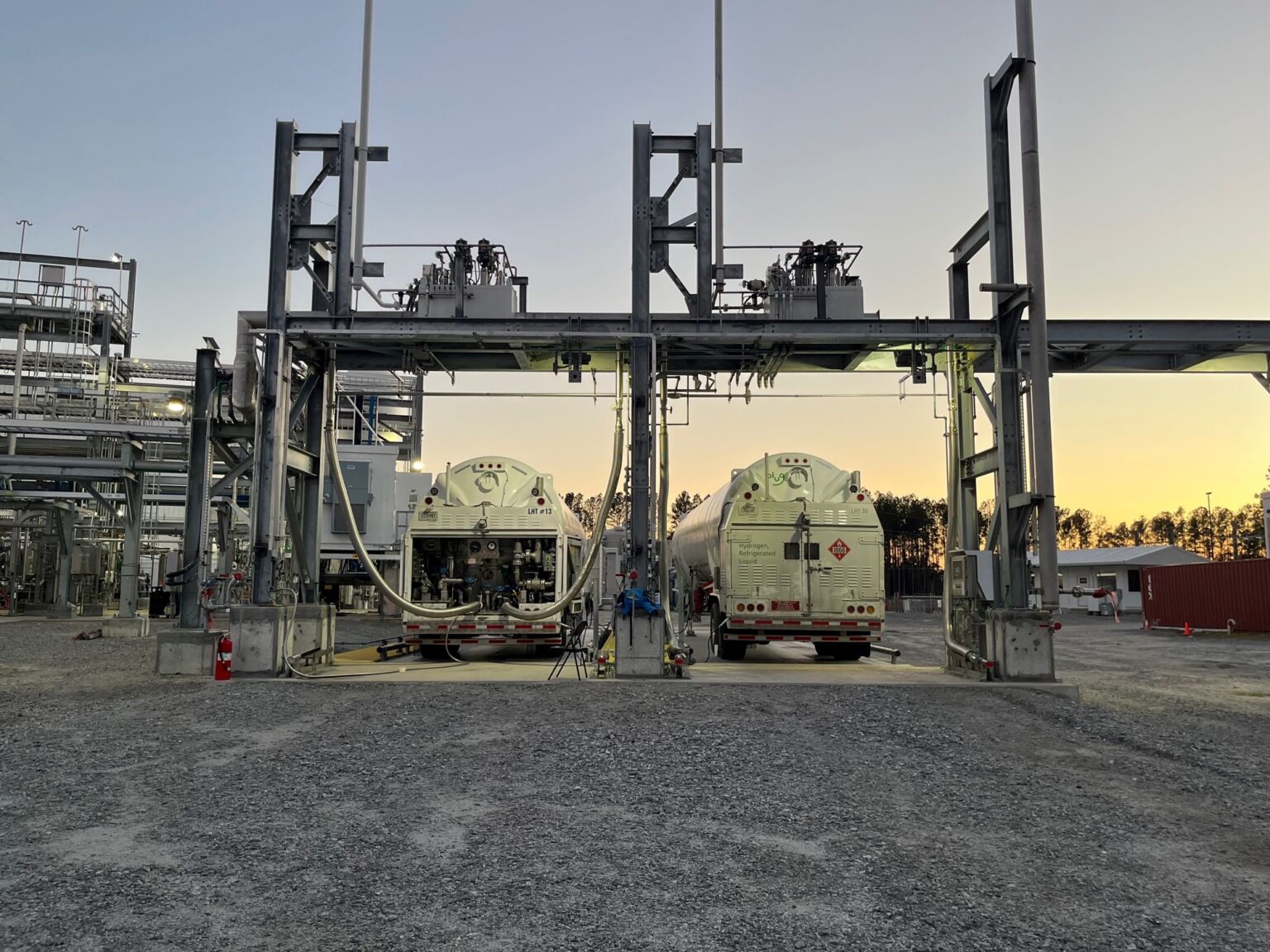 Industrial hydrogen
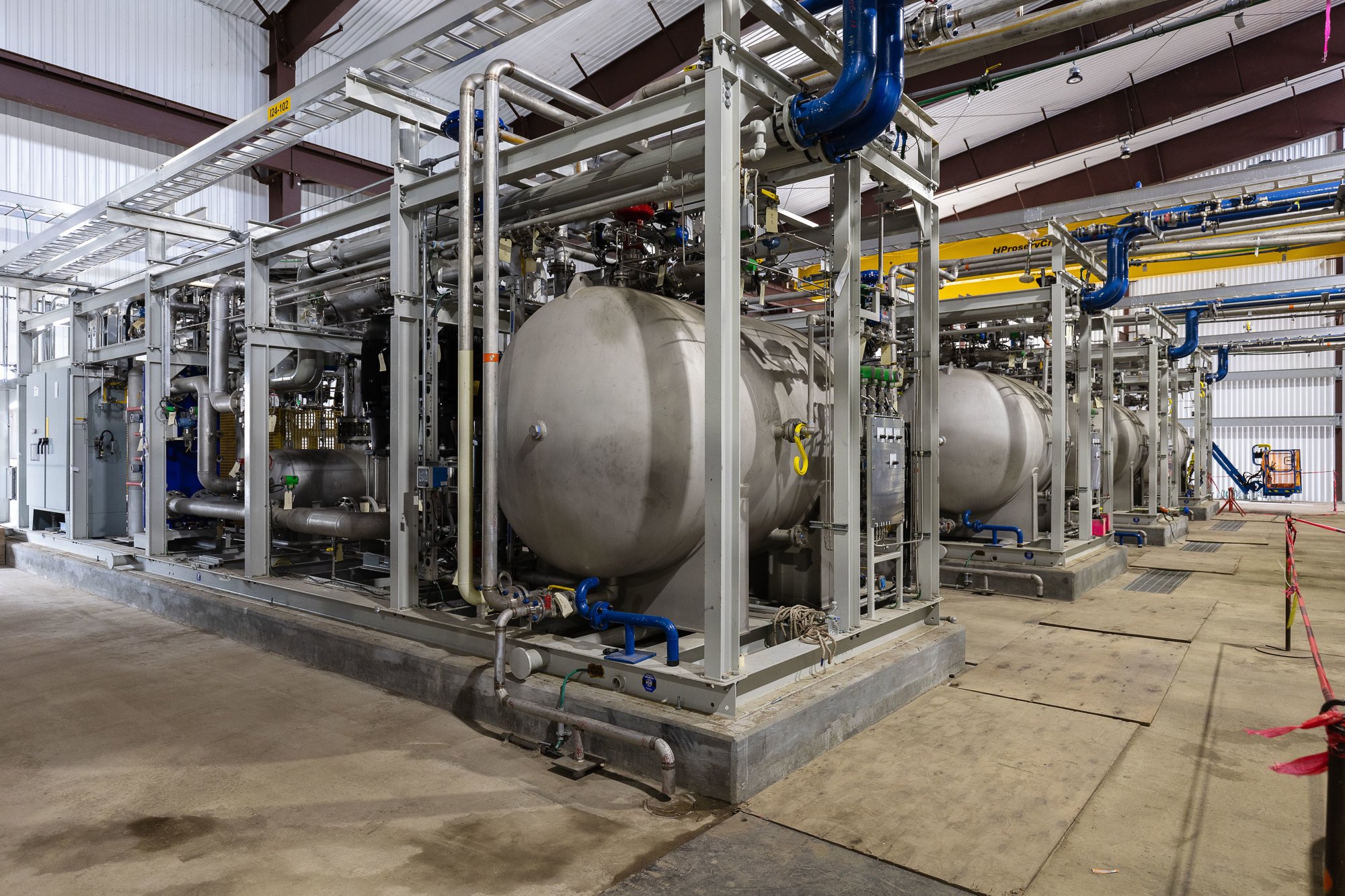 Production is changing
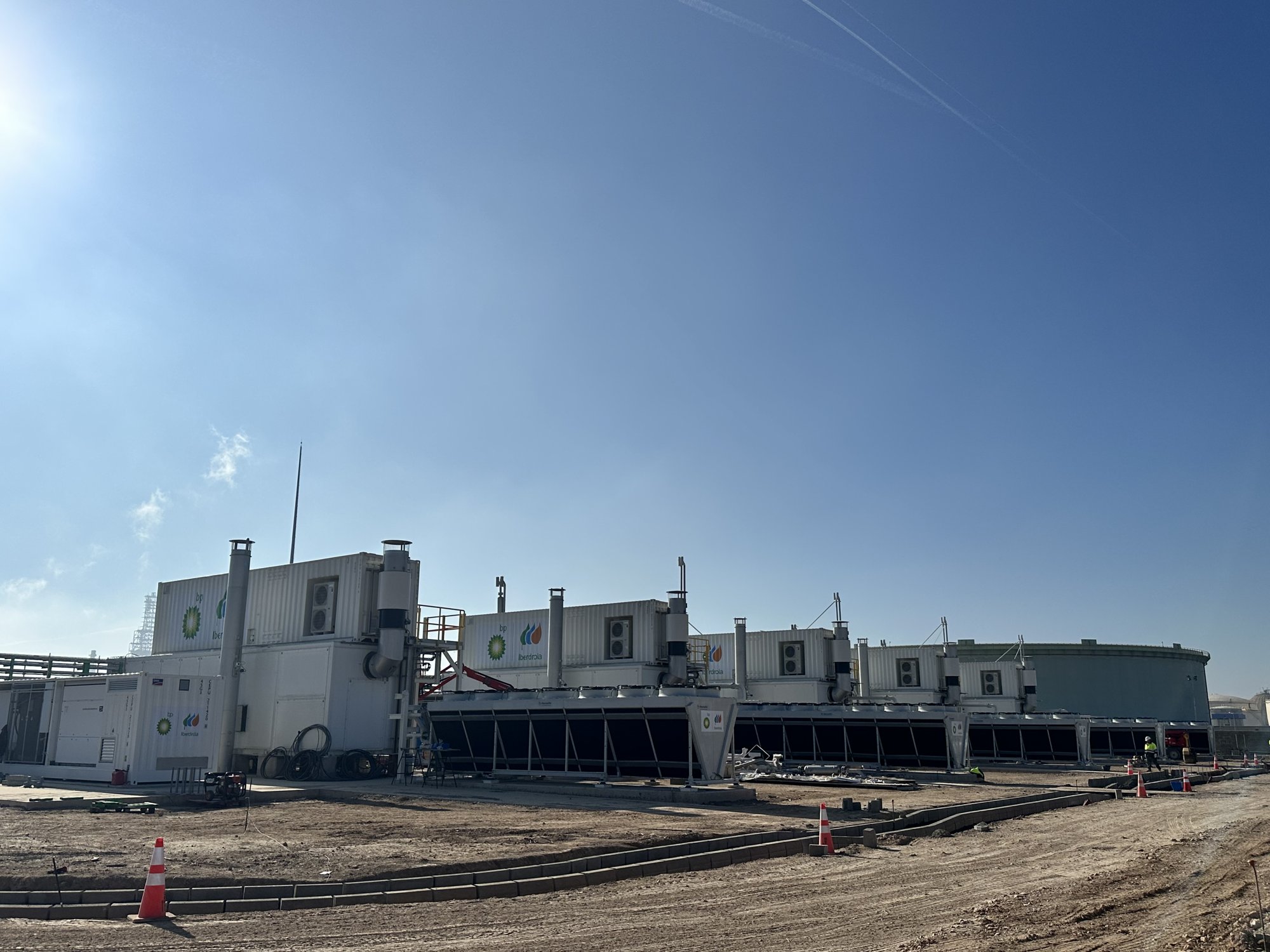 Infrastructure at scale
An essential feedstock
Hydrogen is one of the world’s most important industrial feedstocks.
Every day, it enables the production of transportation fuels, fertilizers, chemicals, and countless industrial products that support the global economy. Increasingly, it is also becoming the foundation for sustainable aviation fuel, e-methanol, green ammonia, and other low-carbon fuels that will power industries where electrification alone cannot.
A moment of change
For decades, hydrogen production remained largely unchanged.
Today, that is changing rapidly.
Growing demand for energy security, industrial resilience, and lower-carbon manufacturing is driving organizations around the world to rethink where hydrogen is produced, how it is supplied, and who they trust to deliver it.
Critical infrastructure
Hydrogen is no longer simply a commodity. It is becoming critical industrial infrastructure.
A changing world demands a different approach to hydrogen.
The industries that rely on hydrogen are evolving.
Refineries
Refineries are replacing conventional hydrogen to meet tightening emissions requirements while protecting existing operations.
Aviation and shipping
Airlines, shipping companies, and fuel producers are investing in synthetic fuels to meet growing demand for lower-carbon transportation.
Ammonia producers
Ammonia producers are modernizing one of the world’s most essential industrial processes while positioning ammonia as both a fertilizer and an emerging energy carrier.
Manufacturers
At the same time, manufacturers are evaluating hydrogen to strengthen energy resilience, improve supply certainty, and support future industrial growth.
While every industry has different objectives, they increasingly share the same question:
How do we build a reliable, long-term hydrogen strategy?Hydrogen production is no longer just an equipment decision.
Producing hydrogen has become a strategic infrastructure investment.
Organizations are looking beyond equipment specifications to evaluate long-term operating costs, project execution, supply reliability, regulatory readiness, safety, and operational performance over decades of operation.
Success depends on more than selecting an electrolyzer.
It requires selecting a partner with the experience to design, deploy, operate, and support hydrogen infrastructure at commercial scale.
That’s Plug.
Few companies operate what they build. Plug does.
Many companies manufacture electrolyzers. Few operate hydrogen plants.
Plug designs, builds, owns, and operates hydrogen production facilities using the same PEM technology delivered to customers. Operating these assets provides real-world insight into system performance, maintenance, safety, and long-term reliability, knowledge that directly improves every customer deployment.
Because we operate hydrogen ourselves, we understand the realities that begin after commissioning, when availability, service, efficiency, and performance matter most.
Hydrogen production is only one part of a successful project.
Liquefaction. Storage. Transportation. Dispensing. Digital monitoring. Lifecycle service. Each plays a critical role in long-term project success.
Plug is one of the few companies capable of supporting the complete hydrogen value chain, giving customers the flexibility to purchase equipment, develop infrastructure, secure hydrogen supply, or work with a single partner from concept through commercial operation.
Hydrogen markets continue to evolve alongside renewable energy, industrial decarbonization, and global energy policy.
Plug’s PEM electrolyzer technology is designed to respond dynamically to variable renewable power while supporting the regulatory frameworks shaping future hydrogen markets, particularly across Europe, where hourly renewable matching, RFNBO requirements, and carbon reduction targets are redefining how projects are developed.
Powering the industries building the hydrogen economy.
Hydrogen is becoming essential infrastructure across the global economy. From modernizing refineries and producing lower-carbon fuels to manufacturing fertilizers and enabling new Power-to-X applications, organizations are investing in hydrogen production to strengthen operations, improve energy security, and prepare for a lower-carbon future.
Plug partners with industry leaders around the world to deliver hydrogen production solutions designed for the unique demands of each market.
Refineries & Petrochemicals
Hydrogen has been central to refinery operations for decades. Today, refiners are replacing conventional hydrogen production with renewable hydrogen to reduce emissions while maintaining the reliability and performance their operations demand. Plug’s PEM electrolyzer technology integrates with existing refinery infrastructure, helping operators modernize without disrupting production.
Galp (Portugal)
One of Europe’s largest renewable hydrogen projects, the 100 MW Galp Sines refinery is expected to produce up to 15,000 tons of renewable hydrogen per year, replacing approximately 20% of the refinery’s gray hydrogen use and reducing greenhouse gas emissions by 110,000 tons annually.
E-Fuels & Sustainable Aviation Fuel
The future of aviation and maritime transportation depends on new fuel pathways. Renewable hydrogen is the critical feedstock for sustainable aviation fuel (SAF), e-methanol, and other synthetic fuels that are helping decarbonize sectors where electrification alone cannot.
European Energy (Denmark)
Plug’s electrolyzer technology powers the Måde Power-to-X facility, producing renewable hydrogen for next-generation e-fuel production.
Ammonia & Fertilizer
Hydrogen is the foundation of ammonia production, making it essential to both global agriculture and emerging clean energy markets. Renewable hydrogen enables producers to lower emissions while supporting the growing role of green ammonia as both a maritime fuel and a carrier for transporting hydrogen around the world.
Allied Green Ammonia (Australia & Uzbekistan)
Plug is supporting one of the world’s largest planned green ammonia developments with gigawatt-scale electrolyzer deployments.
Power-to-X
Power-to-X is creating new ways to convert renewable electricity into hydrogen and higher-value products that can be transported, stored, and used across industries. These projects are accelerating the transition to cleaner industrial processes while strengthening energy resilience and creating new global fuel markets.
Orica Hunter Valley Hydrogen Hub (Australia) and European Energy (Denmark)
From renewable hydrogen for industrial manufacturing to commercial-scale e-fuel production, Plug is helping customers transform renewable power into the energy solutions of tomorrow.
Containerized Hydrogen Production
Not every hydrogen project requires a multi-year construction schedule. Plug’s factory-built, containerized hydrogen production systems simplify deployment, reduce project risk, and accelerate time to first hydrogen, allowing customers to bring new production capacity online faster and expand as demand grows.
Factory-built systems
Containerized production capacity that comes online faster and expands as demand grows.
Long-Term Service Agreements
Hydrogen infrastructure is built to operate for decades. Plug’s lifecycle service agreements help maximize system availability, reduce operational uncertainty, and provide the long-term performance assurances customers and project financiers expect.
Service built for decades
Long-term performance assurances for customers and project financiers.
Building the infrastructure behind the hydrogen economy.
The next generation of industrial growth will depend on reliable access to hydrogen.
Around the world, organizations are investing in new production capacity to strengthen supply chains, improve energy resilience, reduce emissions, and support entirely new industries.
These projects require more than technology. They require execution.
Plug combines proven technology, operational experience, and an integrated hydrogen platform to help customers move confidently from project planning to long-term operation.