Fleet & Warehouse Operations

Solutions · Fleet & Warehouse Operations

Warehouse operations are evolving. So should the way they are powered.

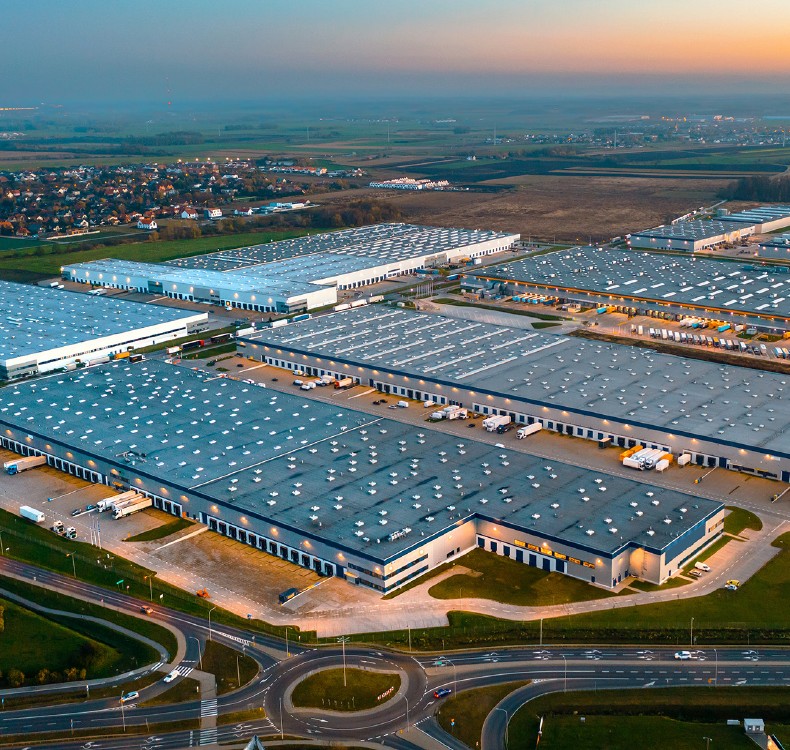
As distribution centers become larger, faster, and more automated, the demands placed on energy infrastructure continue to grow. Plug helps organizations improve throughput, reduce operational complexity, and build more resilient warehouse operations through integrated hydrogen solutions.

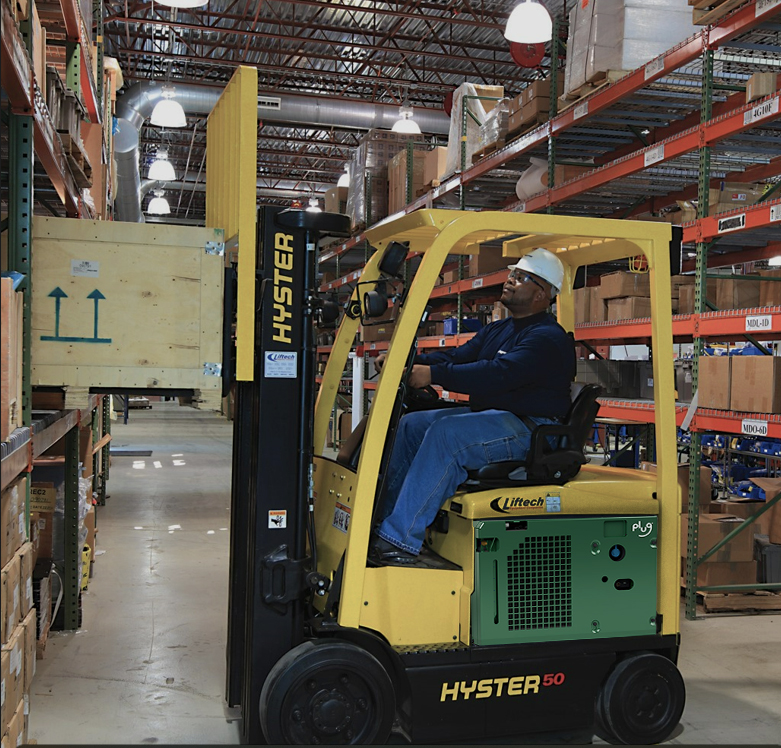
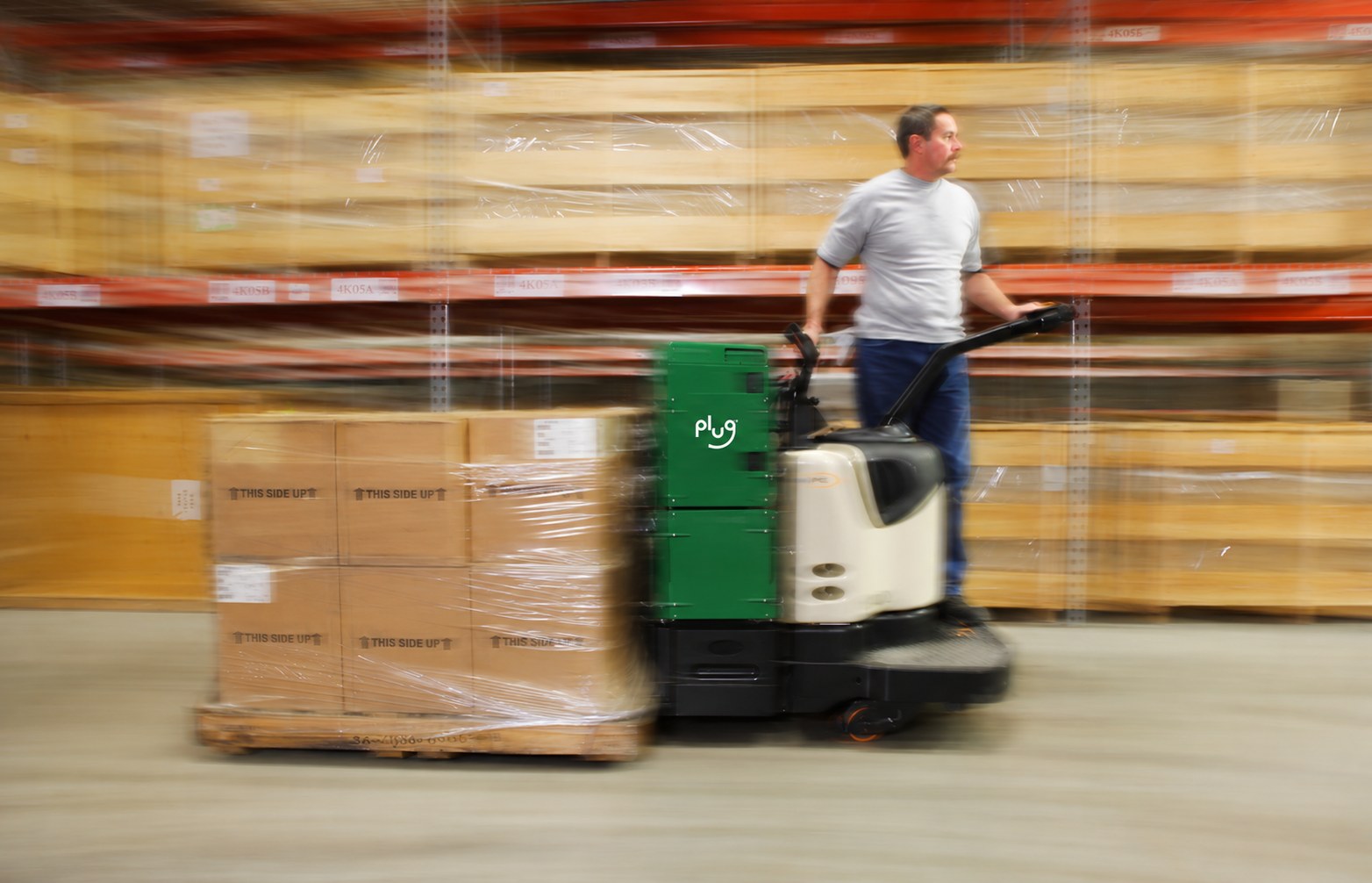
GenDrive powered forklift in a warehouse
The Shift

Distribution centers have changed. Power strategies haven’t.

Warehouses have changedThe modern warehouse
Power strategies haven’t kept paceThe battery constraint
The hydrogen modelRefueling in minutes
01

Warehouses have changed

Today’s warehouses are expected to move more products, process more orders, and operate around the clock. Automation, labor availability, and customer expectations have fundamentally changed what efficient operations look like.

02

Power strategies haven’t kept pace

Battery-powered fleets can create operational constraints, including charging downtime, battery handling, dedicated infrastructure and increased electrical demand.

03

The hydrogen model

Hydrogen offers a different operating model.

Rather than managing battery infrastructure, operators keep equipment in service, recover valuable warehouse space, and maintain consistent performance throughout every shift.
Energy Strategy

Operational efficiency starts with energy strategy.

Fleet power is no longer simply an equipment decision. It has become an operational and infrastructure decision.

As facilities scale, battery charging can create concentrated spikes in electricity demand during shift changes, increasing pressure on facility infrastructure while making future expansion more difficult. Many organizations are already encountering grid constraints that delay new distribution centers or require significant electrical upgrades before operations can begin. This trend is becoming more common as warehouses electrify and automation increases.

Hydrogen fundamentally changes that equation by shifting energy delivery away from battery charging and toward fast onsite refueling, allowing facilities to operate with greater flexibility while reducing concentrated electrical demand.

This is not simply an alternative fuel. It is a better operating strategy.

Up to 2-5 MWPredictable demand spikes per facility from battery charging, often coinciding with peak demand periods.
Fast onsite refuelingReduced electrical demandRoom to expandConsistent Power
GenDrive fuel cell powering material handling in a warehouse
Operational Outcomes

Built around operational outcomes.

Organizations adopt hydrogen because it helps improve the metrics that matter most.

Greater fleet availability

Equipment stays productive with refueling measured in minutes.

Higher warehouse throughput

Eliminate battery change interruptions and maintain consistent power throughout every shift.

More usable warehouse space

Replace battery charging rooms with revenue-generating operations.

Lower infrastructure demands

Reduce facility electrical loads and minimize costly grid upgrades.

Simplified operations

Work with a single partner for fuel cells, hydrogen, fueling infrastructure, fuel supply, and long-term service.

Cleaner on-site operations

Reduce on-site greenhouse gas emissions with zero-emission fuel cell power at the point of use.

Customer Proof

Proven where operational performance matters most

Retailers, logistics leaders, and manufacturers rely on Plug to maximize uptime, lift productivity, and keep demanding operations moving.

Retail Distribution

High-volume retail distribution centers need to maximize both throughput and valuable floor space. GenDrive fuel cells eliminate the need for dedicated battery rooms, charging equipment and battery storage, helping operators recapture valuable warehouse space while keeping material handling fleets fueled and moving.

Featured Project

Amazon

Since beginning its relationship with Plug in 2016, Amazon has rapidly scaled hydrogen fuel cells across its distribution operations. The relationship has continued to expand beyond fuel cells to include hydrogen supply, demonstrating how Plug’s integrated hydrogen ecosystem can support large-scale distribution operations.

Food Distribution

Food distribution requires speed, reliability and performance across demanding environments, including refrigerated and freezer operations. GenDrive maintains consistent power in cold environments while fast hydrogen fueling helps minimize equipment downtime during high-volume operations.

Featured Project

Walmart

Walmart has helped pioneer the use of hydrogen fuel cells in large-scale material handling operations. In 2014, Walmart became Plug’s first multi-site GenKey customer, accelerating adoption of an integrated solution combining GenDrive fuel cells, GenFuel hydrogen infrastructure and GenCare service. The relationship has since expanded across North America, including deployments in Canada, and into Walmart’s eCommerce operations.

Logistics

For logistics operations, every minute of equipment availability matters. GenDrive eliminates battery changeouts and dedicated charging infrastructure, while hydrogen fueling takes just minutes. The result is more productive floor space and material handling equipment that can get back to work quickly.

Featured Project

Uline

Since first partnering with Plug in 2015, Uline has expanded its use of hydrogen fuel cells across its distribution operations. A 2024 expansion added 250 fuel cell forklifts and 17 hydrogen dispensers at Uline’s new Kenosha, Wisconsin campus, bringing the planned deployment to 520 fuel cells and 34 dispensers across ten facilities.

Automotive Manufacturing

Automotive manufacturing depends on materials moving continuously across complex production environments. GenDrive fuel cells provide consistent power for forklifts and material handling equipment, with fast hydrogen fueling that helps reduce vehicle downtime and keep production logistics moving.

Featured Project

BMW

BMW uses Plug’s GenDrive fuel cells to power material handling fleets across manufacturing facilities in the United States and Germany. Deployments include more than 160 fuel cell-powered forklifts in Leipzig and 125 hydrogen-powered forklifts in Munich, where vehicles can refuel in approximately three minutes.

Trusted by industry leaders
AmazonWalmartHome DepotBMWFedExCarrefourAmazonWalmartHome DepotBMWFedExCarrefour
Plug lifecycle partnership
Lifecycle Partnership

From deployment to decades of operation.

Technology alone doesn’t keep warehouses moving.

Plug combines hydrogen production, fueling infrastructure, digital monitoring, field service, and long-term support into a single operating model designed to maximize fleet performance throughout the life of the system.

Whether managing one site or hundreds, customers benefit from a single partner responsible for system performance.

Hydrogen productionFueling infrastructureDigital monitoringField serviceLong-term support
Get Started

Ready to evaluate hydrogen for your operation?

Use our Fleet TCO Calculator to compare operational costs, productivity, facility impacts, and long-term economics for your fleet.